

No products added!

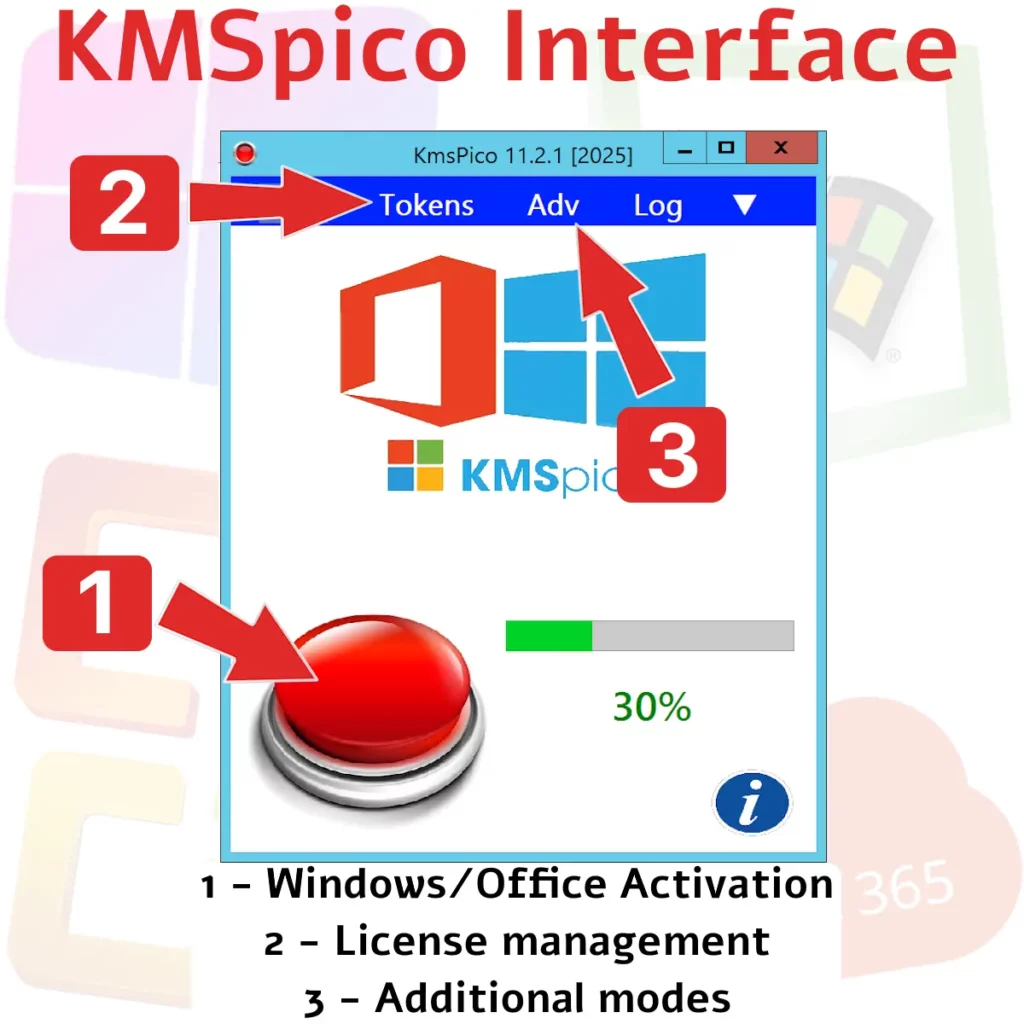
In the realm of software licensing, understanding how to properly activate your Windows operating system is crucial. With various tools and methods available, choosing the right windows activator becomes an essential decision for both personal and professional environments. This article provides insights into different activation options, including risks and benefits associated with each choice.
The Importance of Activating Windows
Activating your Windows OS is necessary to ensure full functionality and compliance with Microsoft’s licensing agreements. Without activation, users might face limitations such as restricted personalization options and frequent reminders to activate their copy. A legitimate windows activator guarantees that your system runs efficiently without interruptions. Activation also unlocks features that are otherwise inaccessible, ensuring you can utilize the full potential of your operating system.
Exploring Popular Windows Activation Tools
A variety of tools are available for activating Windows, ranging from Microsoft’s official options to third-party solutions. Each tool has distinct features suited for specific needs. Many users opt for well-known products such as KMSpico for its ease of use and reliability in activating multiple versions like Windows 10 and 11. Other popular tools include Microsoft Toolkit and Re-Loader, which offer unique functionalities tailored for different user preferences.
Why Consider KMSpico?
KMSpico is frequently chosen due to its ability to activate not only the operating system but also Office applications, making it a versatile product activator. Its popularity can be attributed to its simplicity in providing a digital license without requiring a persistent internet connection. Moreover, KMSpico portable options allow for flexible usage across different machines. This flexibility makes it an ideal solution for users who need to manage multiple devices or operate in environments with limited internet access.
Using Command-Line Tools for Activation
For tech-savvy users, command-line tools such as DISM (Deployment Image Servicing and Management) provide an alternative method for activation. While more complex than tools like KMSpico windows activator, these methods offer a deeper level of control over the activation process, suitable for enterprise environments with stringent IT policies. These tools are often preferred by IT professionals who require precise configuration capabilities and want to streamline processes across large networks.
Deployment Constraints and System Requirements
A typical lab setup might involve using a VM with at least 2 vCPU and 4 GB RAM to test activation processes without affecting production environments. It’s crucial to consider constraints such as snapshot timing when deploying activation solutions to ensure system stability and compliance. Testing in a controlled environment allows organizations to evaluate the effectiveness of different activators before implementing them on a larger scale. For reliable guidance on choosing a Windows activator, visit the official website at https://kmspico.lc/ for comprehensive insights.
Comparison
| Aspect | Genuine Activation | Third-party Activators | Volume Licensing |
|---|---|---|---|
| Legality | Fully legal, Microsoft-approved | Illegal, risk of penalties | Legal for businesses |
| Security | Secure, no malware risk | High risk of malware | Secure with proper management |
| Cost | Requires purchase of license | No upfront cost, hidden risks | Cost-effective for large teams |
| Support | Full Microsoft support available | No official support provided | Available through Microsoft partners |
Legal Considerations and Risks
While third-party activators offer convenient solutions, they come with legal risks if used improperly. Unauthorized use of key generators or software unlockers can lead to violations of Microsoft’s terms of service. Ensuring that your windows activator aligns with licensing requirements protects both the user and organization from potential legal repercussions. It is important to stay informed about the latest legal guidelines related to software activation.
Verifying Genuine Activation
After using any activation tool, verifying that your copy of Windows is genuine is essential. This step not only ensures compliance but also provides peace of mind regarding the stability and security of your system. Verification can typically be done through the system settings under “Activation” status. Regular checks help in maintaining system integrity by confirming that all activations are legitimate.
The Future of Windows Activation Methods
The landscape of software activation continues to evolve alongside technological advancements. Newer versions like Windows 11 may introduce enhanced methods or stricter protocols requiring users to stay informed about updates in activation practices. Continuous learning about secure methods remains imperative for all users employing a windows activator.
- Flexibility: Choosing an activator that offers both offline and online capabilities enhances usability across different scenarios.
- Security: Prioritizing secure sources reduces risks associated with malware or compromised software.
- Compliance: Always ensure that your selected windows activator complies with current legal standards and licensing agreements.
The selection process involves evaluating different factors such as cost-effectiveness, ease of use, compatibility with current systems, and support services offered by developers or vendors. By understanding the various facets involved in windows activation, you can make better-informed choices that align with both your technical requirements and legal obligations. Always weigh the pros and cons carefully before settling on an approach or tool, whether it’s within a corporate environment or at home.
The Role of Cloud Computing in Future Activations
The integration of cloud-based solutions may offer seamless experiences but will require vigilant adaptation to ensure compliance with evolving standards. As cloud technology becomes more prevalent, we could see new paradigms in how operating systems are activated and managed remotely via cloud platforms.
The efficiency brought forth by cloud computing could potentially simplify the activation process significantly while allowing real-time updates across all devices linked within a networked environment. This evolution would mean that users might have even less manual interaction required when activating their systems but will need robust security measures against unauthorized access or data breaches.
In conclusion, staying informed about the latest advancements in windows activator technologies will enable users not only to comply with existing laws but also to prepare for future changes in technology landscapes effectively.
